
Overview
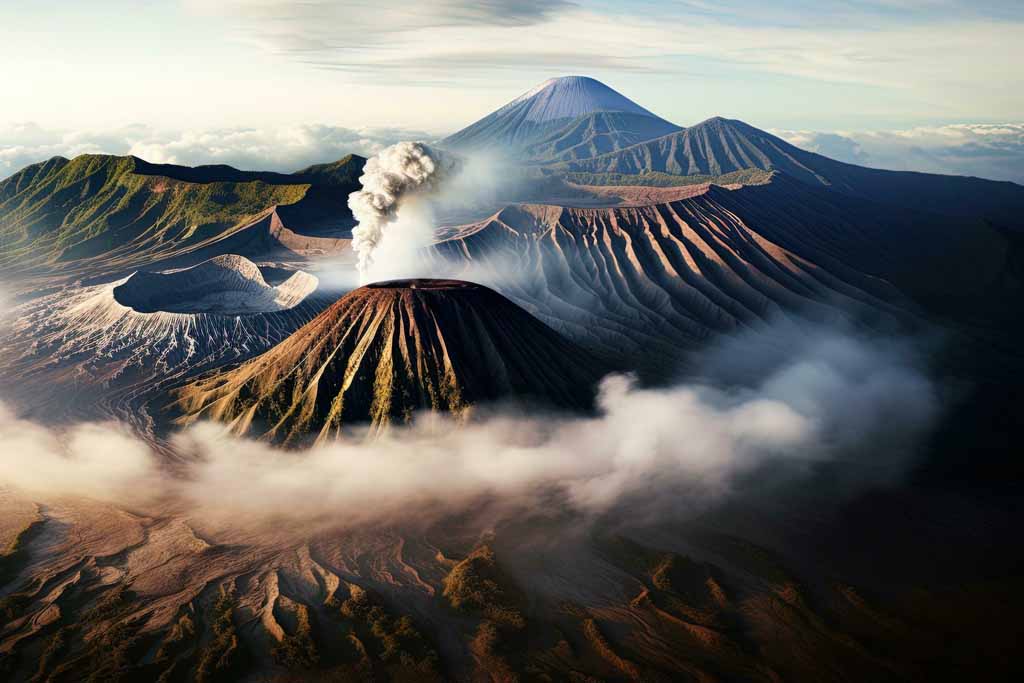
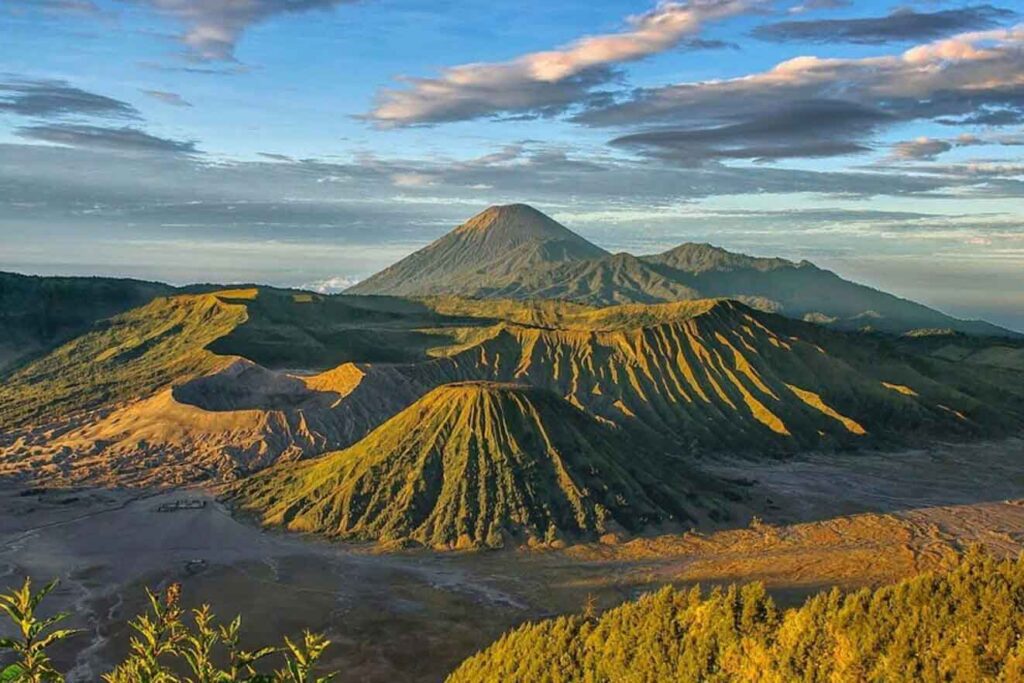
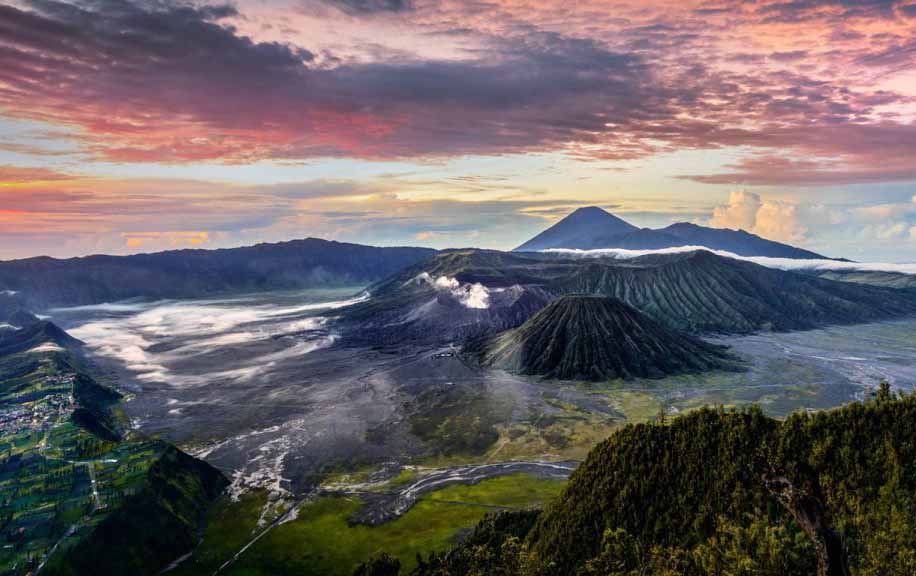
Bromo Tengger Semeru National Park in East Java is one of Indonesia’s most spectacular destinations. Covering more than 800 square kilometers, the park is home to the active Mount Bromo (2,329 m), the towering Mount Semeru (3,676 m, the highest peak in Java), and the dramatic Tengger Caldera with its vast Sea of Sand. The park is named after the Tengger people, who preserve unique Hindu traditions and host the annual Yadnya Kasada festival.
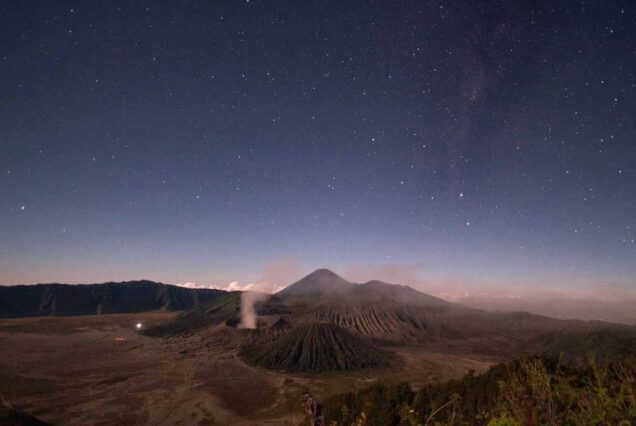
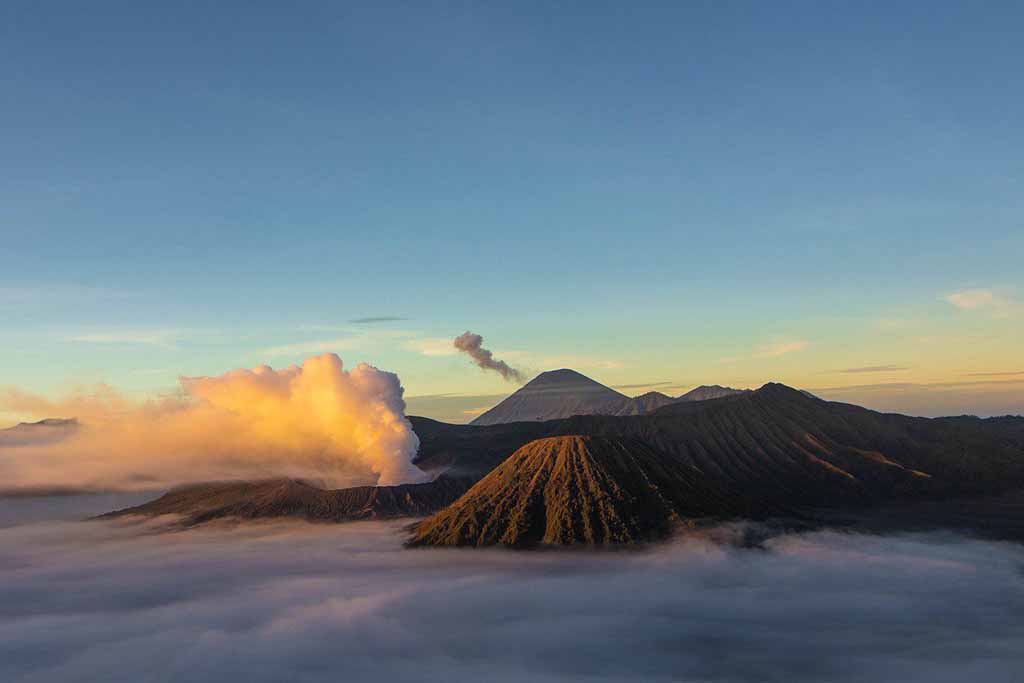
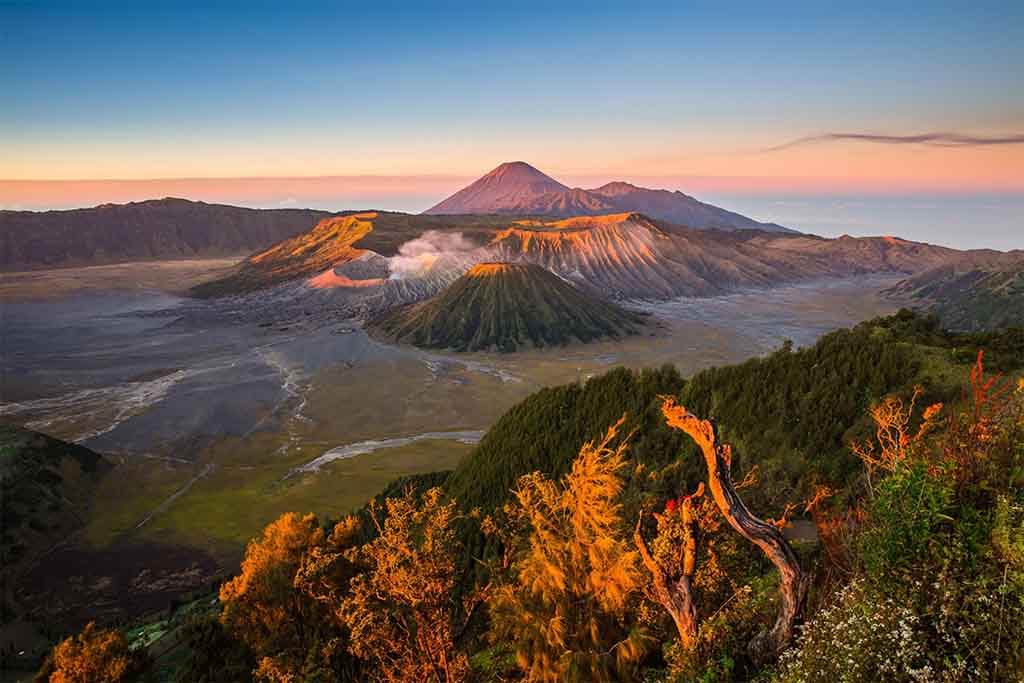
The park is world‑famous for its stunning sunrise and sunset panoramas.
- Sunrise: From viewpoints like Penanjakan, King Kong Hill, or Bukit Cinta, travelers witness the sky turning fiery orange as the sun rises over Mount Bromo, Mount Batok, and Mount Semeru, often above a sea of clouds.
- Sunset: From Mentigen or Seruni Point, the caldera glows golden as the sun sets, highlighting the textures of the volcanic desert and savanna hills.
Jeep Tours in Bromo
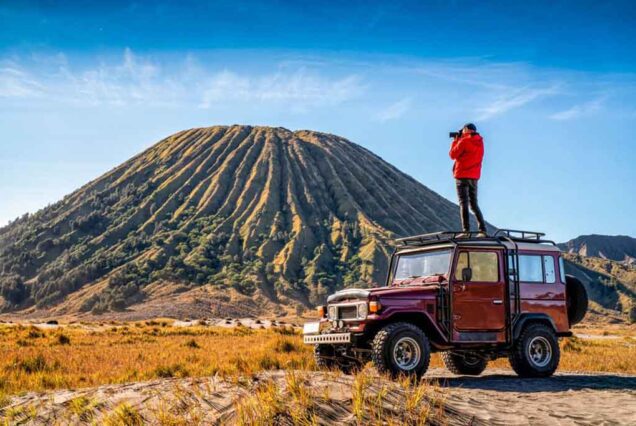
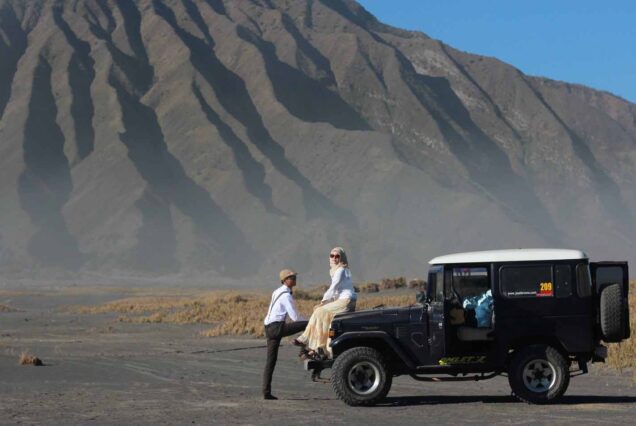
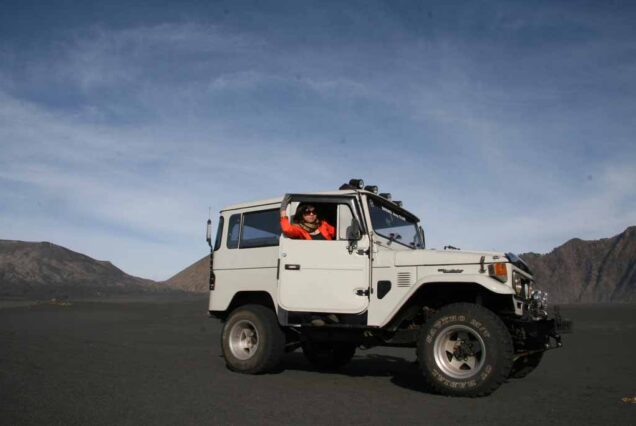
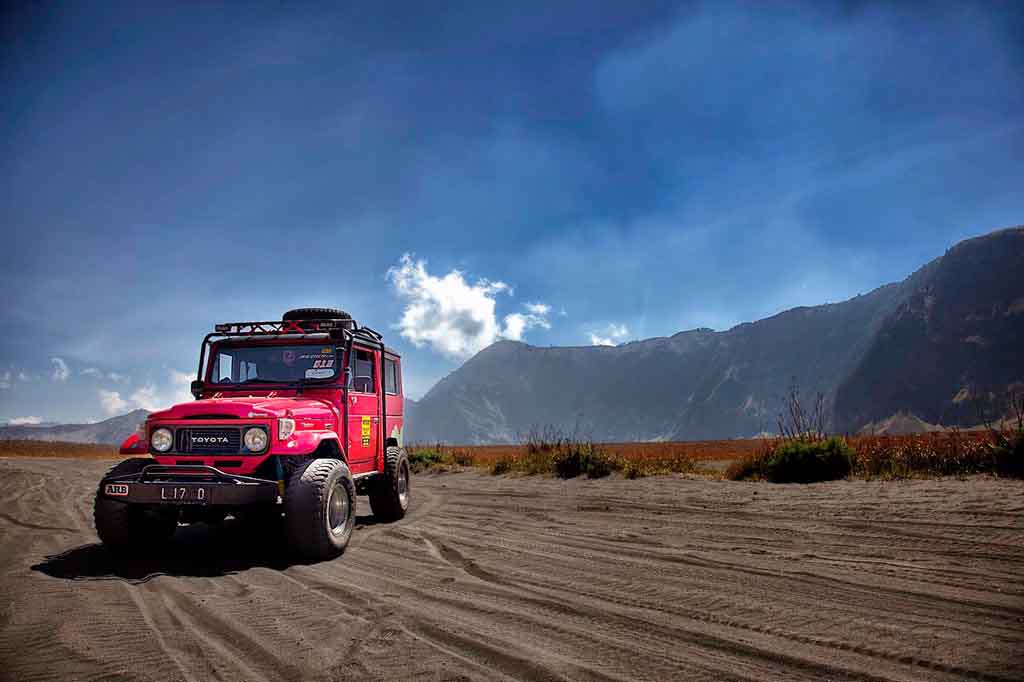
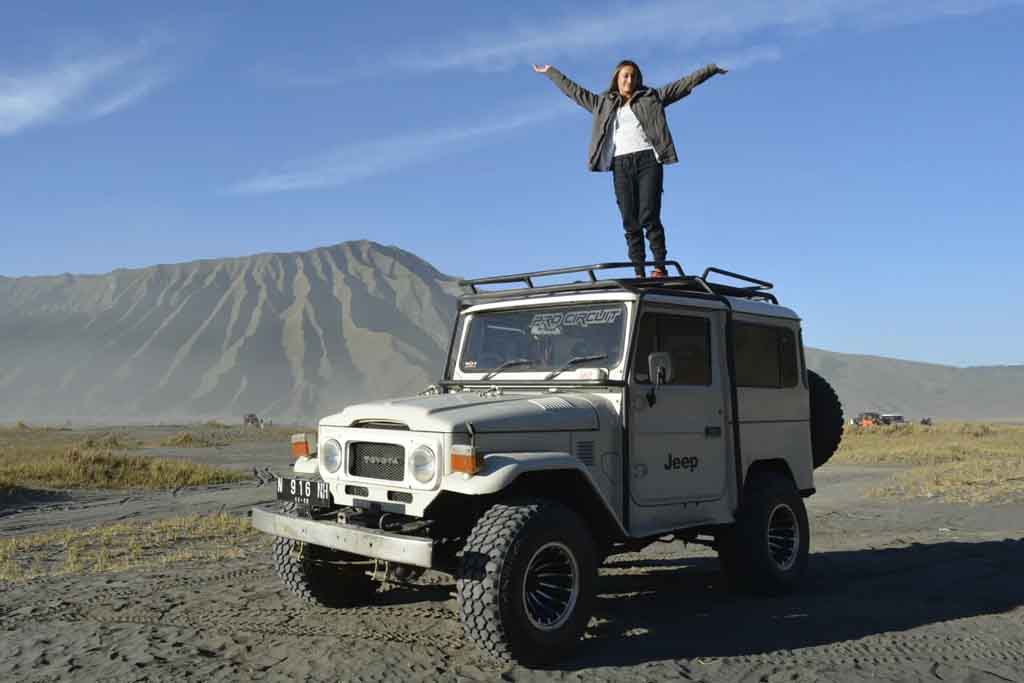
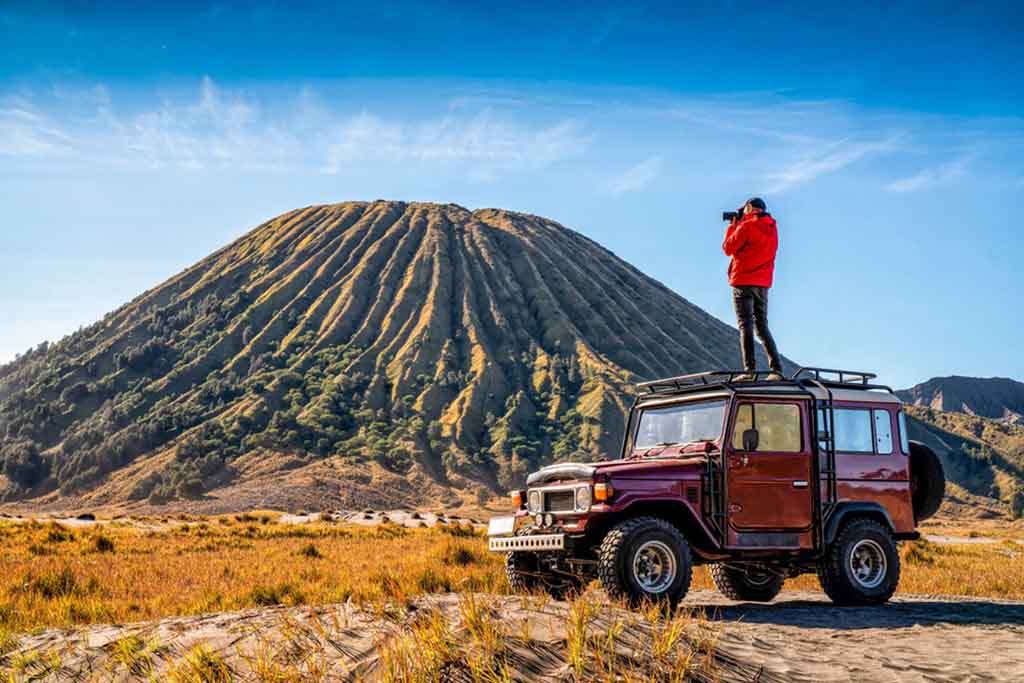
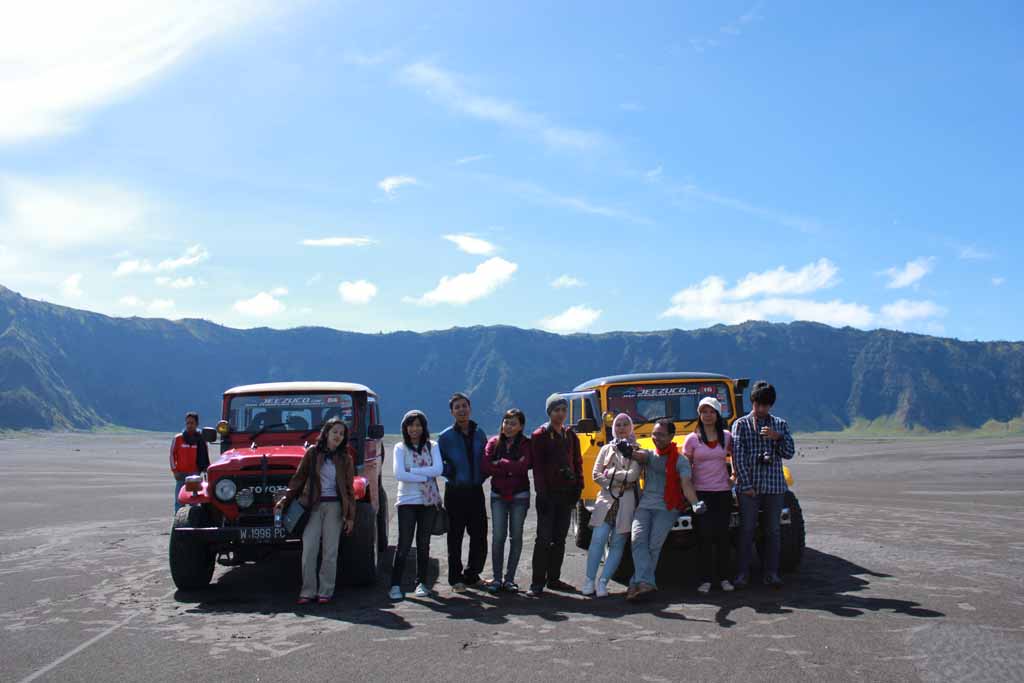
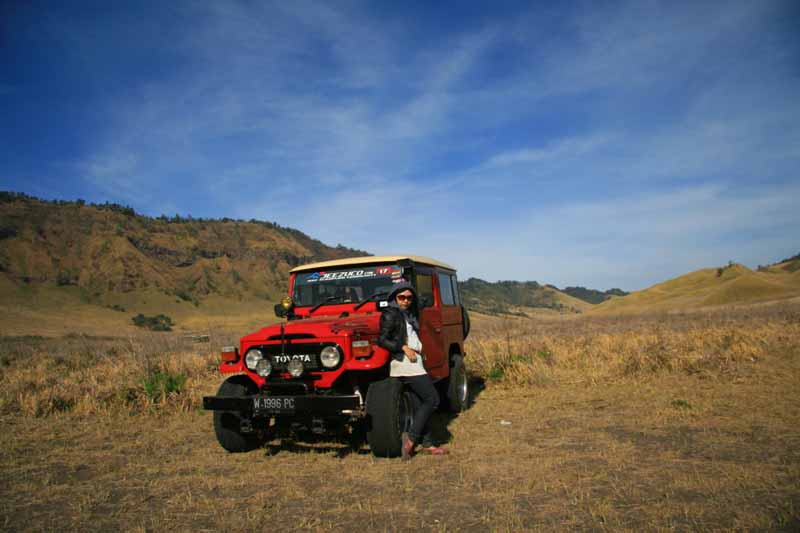
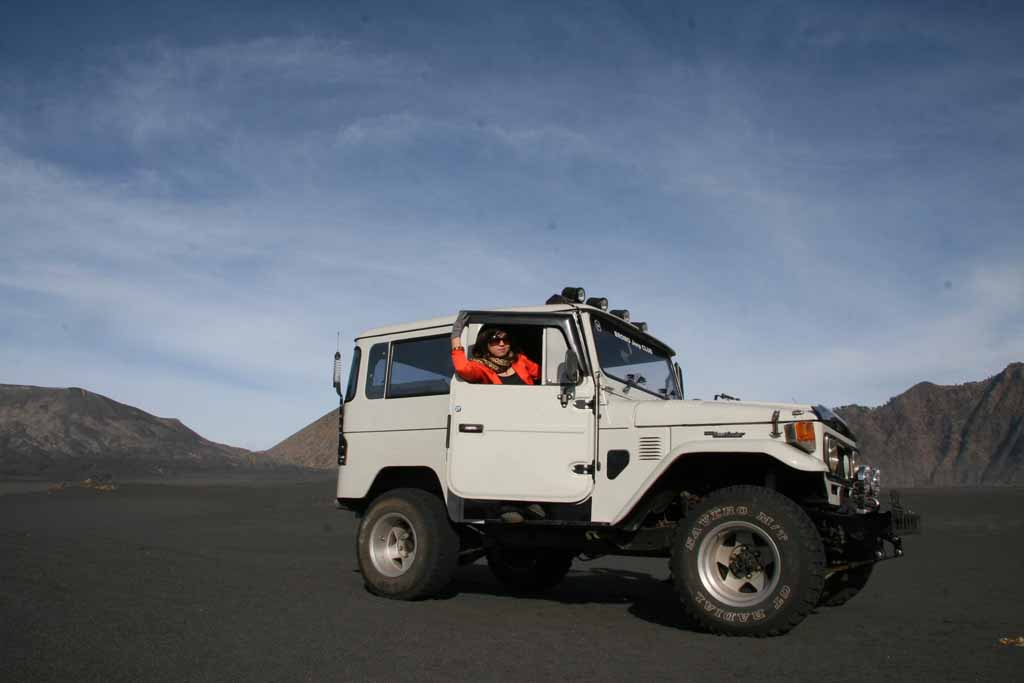
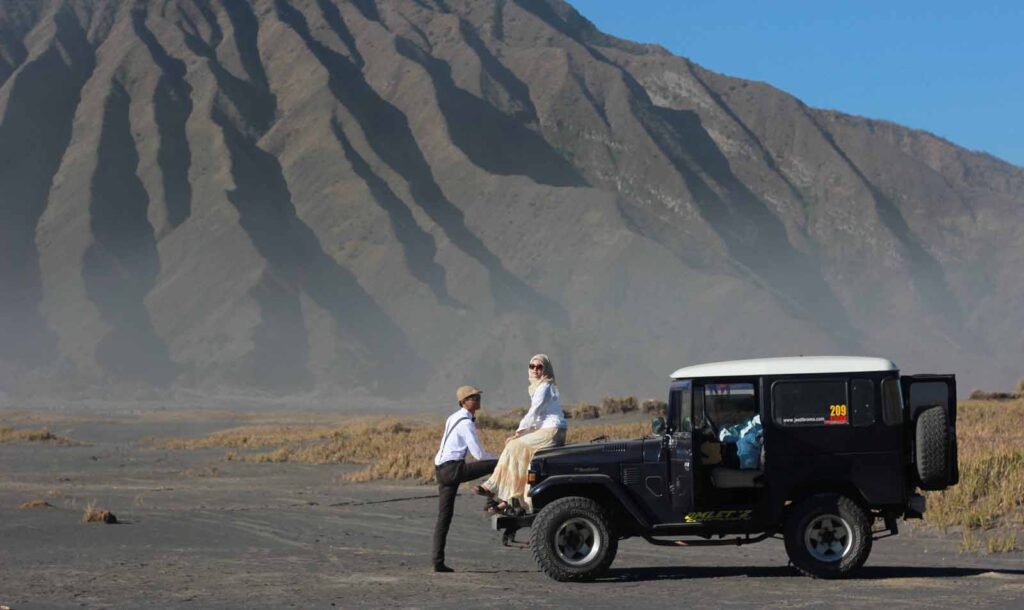
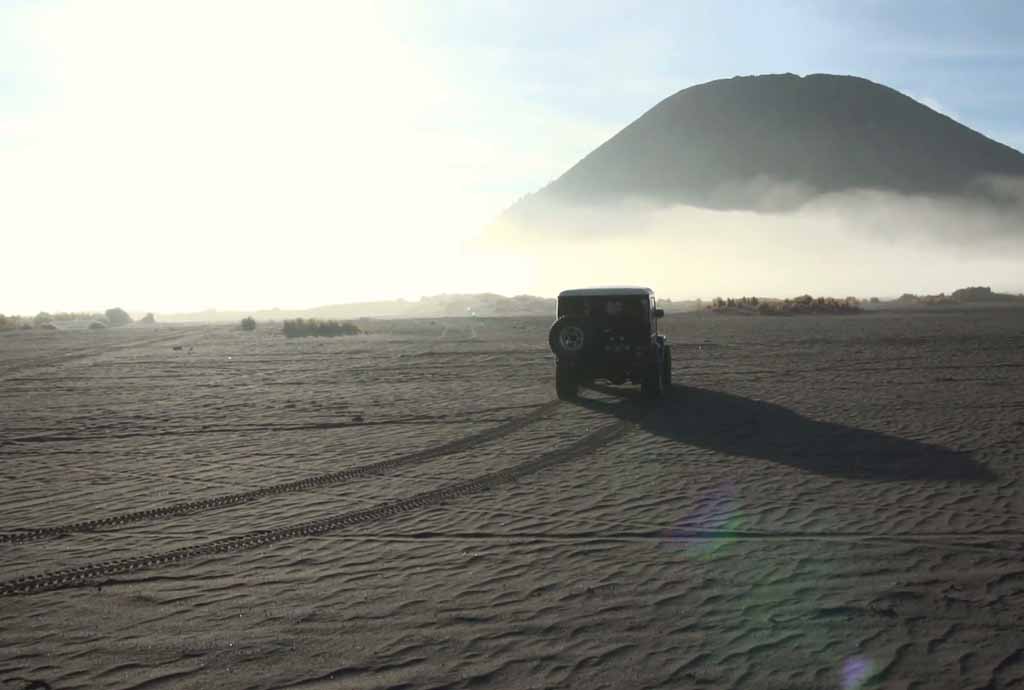
Exploring Bromo requires 4WD Jeeps, the only vehicles permitted to cross the Sea of Sand and reach sunrise viewpoints.
- Capacity: Up to 5 passengers per Jeep.
- Routes: Penanjakan Sunrise Point, Mount Bromo Crater, Whispering Sands, Teletubbies Hill, and other scenic stops.
- Cost: Around IDR 600,000–1,000,000 per Jeep (shared cost).
- Booking: Reserve in advance, especially during weekends or holidays.
- Departure: Sunrise tours usually start at 3:00–3:30 AM from Cemoro Lawang or Probolinggo.
- Drivers: Local experts familiar with the terrain; some tours include English‑speaking guides.
Traveler Tips: Wear warm clothing, bring a mask or scarf for volcanic dust, carry cash in Indonesian Rupiah (IDR), and keep your camera ready for sunrise shots.
Attractions Inside the Park
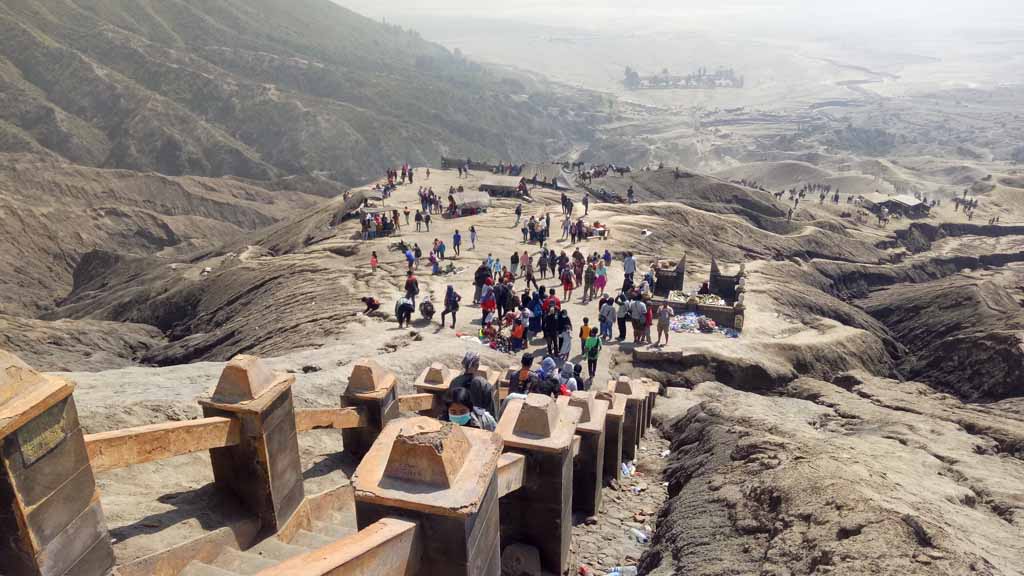
- Mount Bromo Crater – hike or ride across the Sea of Sand to the crater rim.
- Mount Semeru – multi‑day trek to Java’s highest peak.
- Mount Batok – dormant volcano with a perfect cone shape.
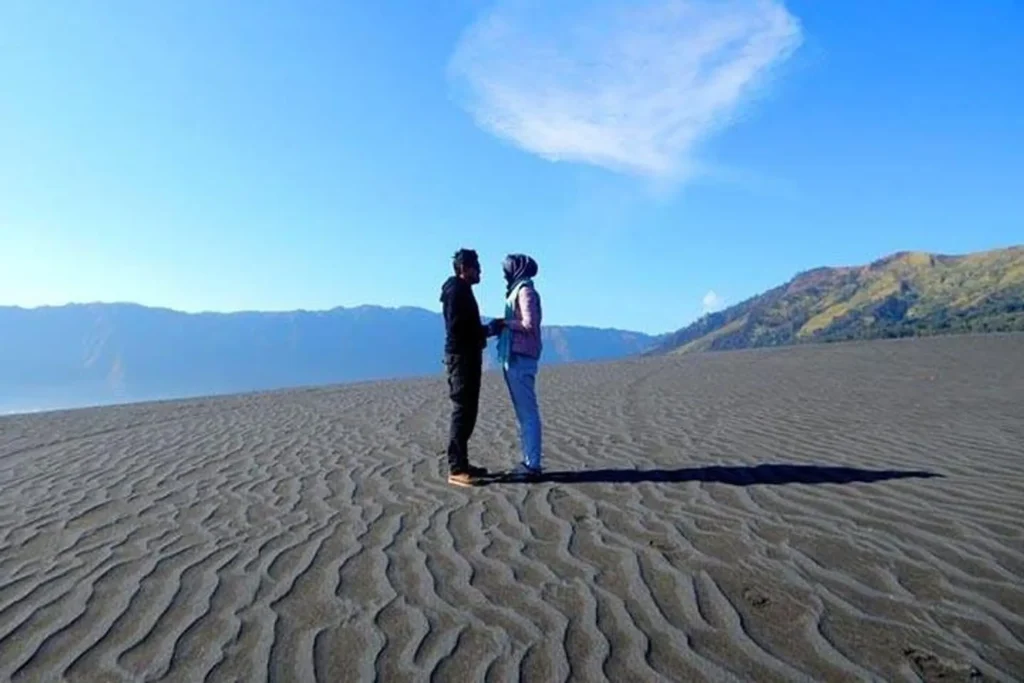
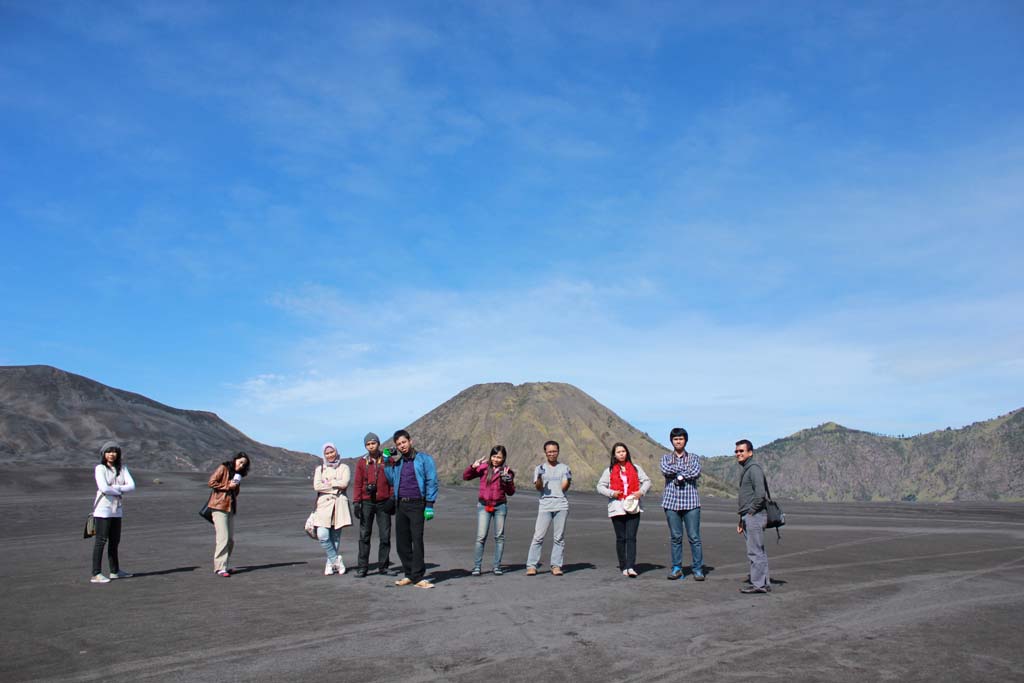
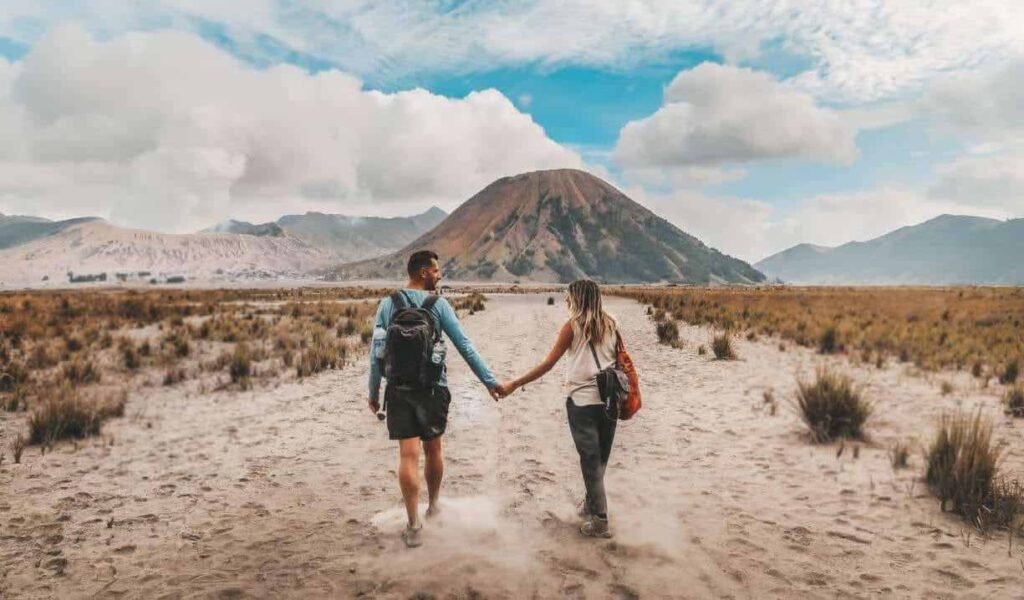
- Sea of Sand (Whispering Sands) – vast volcanic desert.
- Savanna / Teletubbies Hill – rolling green hills and grasslands.
- Poten Temple – Tengger Hindu temple at the foot of Bromo.
- Penanjakan Viewpoint – most famous sunrise spot.
- King Kong Hill, Bukit Cinta, Seruni Point, Mentigen Hill – alternative sunrise/sunset viewpoints.
- Widodaren Hill – scenic volcanic formations.
Attractions Around Bromo
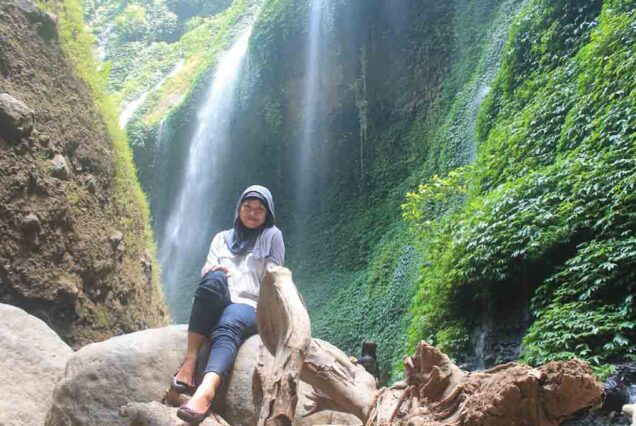
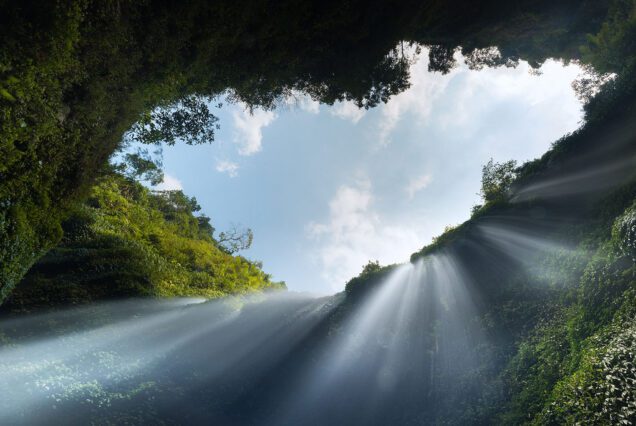
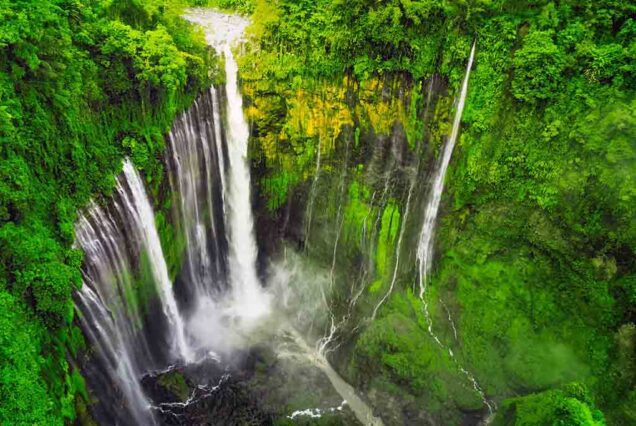
- Madakaripura Waterfall – 200‑meter waterfall near Probolinggo, linked to Gajah Mada’s legend.
- Ranu Pane Village – gateway to Mount Semeru trekking.
- Ranu Kumbolo Lake – alpine lake with stunning sunrise reflections.
- B29 Peak (Lumajang) – “Land Above the Clouds” viewpoint at 2,900 m.
- Ranu Regulo and Ranu Darungan Lakes – quiet volcanic lakes for camping and nature walks.
Cultural and Seasonal Highlights
- Yadnya Kasada Festival – annual Tengger Hindu ceremony where offerings are thrown into Bromo crater.
- Local Tengger Villages – Cemoro Lawang and Ngadisari, offering homestays and cultural immersion.
Best Time to Visit
- Dry season (April–October): Best for clear skies and sunrise views.
- Rainy season (November–March): Fewer crowds, but trails may be slippery.
What to Bring
- Warm jacket, gloves, scarf (temperatures can drop below 10°C).
- Comfortable walking shoes.
- Mask or scarf for volcanic dust.
- Sunscreen, hat, sunglasses.
- Cash in Indonesian Rupiah (IDR) for Jeep fees and local purchases.
- Camera or smartphone.
- Personal medication and toiletries.
- Power adapter (220V, plug types A, C, D).
Things to Know Before Booking
- Duration: Sunrise tours typically half‑day; extended itineraries available.
- Pick‑up Points: Cemoro Lawang, Probolinggo, Malang, or Surabaya.
- Accommodation: Guesthouses in Cemoro Lawang or hotels in Malang/Probolinggo.
- Accessibility: Some sites involve stairs and sandy paths; not suitable for all travelers.
- Itinerary Flexibility: Routes may change due to weather or volcanic activity.
- Cultural Etiquette: Respect Tengger traditions and dress modestly at temples.